Commercial Property Cleaning
Your business requires routine sanitation scheduled according to potential hazards, operational volume, allergen concerns, and health inspections, plus documented records supporting food safety protocols, regulatory audits, and public health standards. The information below detail critical cleaning system elements.
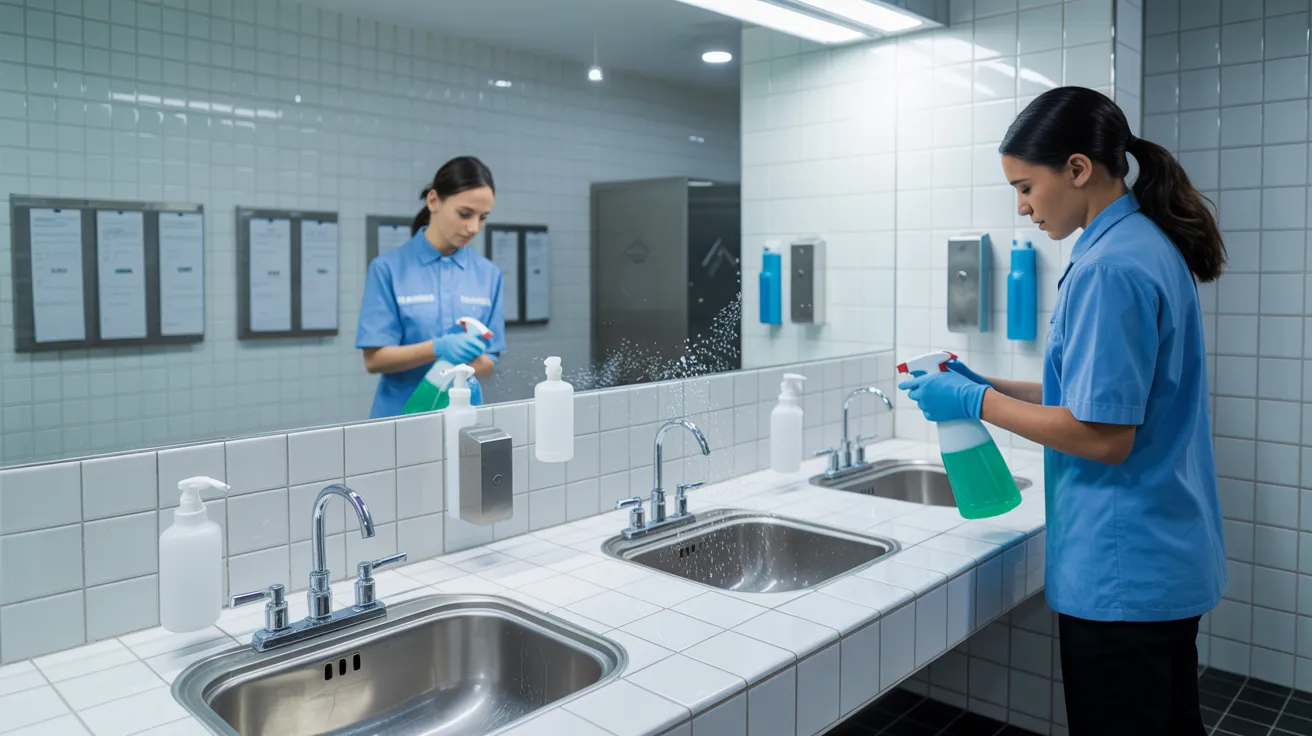
Important Highlights
- Brampton food safety cleaning experts assist restaurants, grocery departments, commissaries, warehouses, bakeries, schools, mobile vendors, and allergen-sensitive operations.
- Cross-contamination elimination is ensured by treating frequently contacted areas, food-contact equipment, kitchens, floors, drains, restrooms, and storage areas with sectional methods.
- Recording of finishing through tests, assessments, and action records validates certified specialists have checked approved sanitizer dilution, appropriateness, and exposure duration.
- Threat, production volume, switches, incidents, and guidelines ought to direct cleaning plans, with everyday, regular, and seasonal duties assigned by zone.
- Prioritize suppliers showing hazard analysis knowledge, sanitation knowledge, safety training preparation, liability, references, color-categorized instruments, and audit-ready sanitation records.
What Brampton Facilities Require Food Safety Cleaning?
Any Brampton facility that processes, stores, prepares, packages, or distributes food needs hygiene cleaning. You must apply it if your business falls under health department oversight, food regulations, or HACCP requirements. That requirement covers food service important information venues, employee cafes, supply centers, retail departments, meat shops, fish areas, local stores, and institutional food prep areas.
Proper hygiene protocols continues to be essential in warehouses, food manufacturing plants, cold storage sites, retail bakeries, school nutrition programs, banquet halls, and meal delivery hubs. Temporary mobile establishments count too, examples being catering vehicles, festival vendors, and pop-up establishments. Your location needs documented cleaning protocols if your workers process ingredients, portion ready-to-eat items, reheat products, or store allergens. In Brampton, sanitation stays voluntary; it forms part of legal, operational, and consumer protection compliance.
What Do Brampton Cleaning Experts Clean?
Your operation needs cleaning professionals who disinfect frequently contacted surfaces, cooking and food prep areas, floors, and toilet facilities for food safety and health code adherence. These zones receive attention because they represent the most significant contamination risk, hazardous walking conditions, and breaches of sanitation codes.
When you know their cleaning scope, you can ensure your operation's cleaning procedures satisfy compliance and operational standards.
High-Touch Surface Cleaning
set how frequently each surface is cleaned
sample collection to check sanitization results
Kitchens, Floors, and Restrooms
Professional cleaners in Brampton concentrate on kitchens, floors, and restrooms given that each location involves distinct food safety, falling hazards, and health code requirements. In industrial kitchens, you need degreasing on cook lines, equipment exteriors, drains, prep surfaces, and splash zones to minimize contamination and pest pressure.
Floor care that is recorded should equally be anticipated. Technicians clean and remove buildup from tile grout, ceramic surfaces, and vinyl floors, then apply appropriate drying controls so you can reduce slip incidents and maintain code-compliant conditions. They also handle entry points where dampness and dirt enter the building.
For restroom sanitation, cleaners disinfect high-touch surfaces, bathroom fixtures, stall dividers, supply dispensers, and trash receptacles, then restock supplies and control odours. They also service restaurant moprooms, where chemical storage, sink hygiene, and drainage conditions can affect sanitation compliance and staff safety daily.
The Importance of Food Safety Cleaning in Brampton
Brampton operations demand food-safe cleaning standards to fulfill health code requirements and pass inspections. You also reduce cross-contamination by cleaning and sanitizing food-contact surfaces, equipment, and high-touch areas correctly. Most importantly, you help protect public health by lowering the risk of foodborne illness in your facility.
Sanitary Standards Adherence
Because Brampton food companies operate under stringent health requirements, food safety cleaning directly affects your capability to fulfill health code requirements, ensure the safety of customers, and eliminate enforcement action. You must maintain sanitized food contact points, documented cleaning schedules, appropriate product handling, and traceable training practices that align with municipal and provincial inspection expectations.
Thorough sanitation documentation allow you to show due diligence during compliance reviews and establish your practices remain reliable, reproducible, and tracked. Proper hygiene practices moreover enables allergen control by minimizing contaminants on joint machinery and regularly touched locations.
Cross-Contamination Prevention
Maintaining regulatory compliance copyrights on your capacity to prevent cross-contamination during daily food handling and cleaning. You must separate raw ingredients from ready-to-eat foods, sterilize work zones between assignments, and position cleaning agents away from food surfaces. Clear procedures reduce transfer risks and reinforce steady regulatory adherence.
You could implement allergen segregation to stop main allergens from reaching shared surfaces, containers, or equipment. Apply separate boards, color-marked equipment, and strict utensil labeling so staff don't mix items throughout cooking or delivery. Enforce washing hands following raw meat, seafood, eggs, or allergen-containing products. Swap cleaning rags frequently, and test disinfectant concentration using strips. When you train staff to follow these controls every shift, you develop a more sanitary, secure business that matches Brampton's safety requirements daily.
Public Health Safeguarding
If proper sanitation declines, you don't merely face potential inspection issues—you amplify the risk of foodborne illness affecting customers, staff, and the broader Brampton area. You also weaken your role in protecting public health, especially in high-traffic food premises where pathogens travel quickly through surfaces, equipment, and touchpoints.
You need sanitation procedures that eliminate contaminants, sanitize correctly, and verify results. That means following contact times, employing authorized sanitizers, documenting schedules, and educating employees to meet health-unit expectations. These measures facilitate disease prevention by reducing pathogens before they contaminate surfaces or food. In Brampton, strong sanitation shields at-risk groups, prevents disease spread, and enables you to show proper care. When you maintain proper standards, you don't just meet regulations—you substantially decrease danger and support safer food service throughout the region.
How Does Cleaning Support Food Safety Compliance?
Prioritizing comprehensive cleaning schedules reinforces food safety compliance by minimizing contamination hazards, managing pathogen expansion, and maintaining your facility's adherence to sanitation requirements under HACCP-based programs and public health regulations. You confirm that product-contact areas appear visibly clean and microbiologically controlled, backing documented preventive controls and inspection readiness.
Effective cleaning also enhances allergen mitigation by eliminating residues that can provoke undeclared allergen exposure. by extracting residues that can cause undeclared allergen exposure.
Determining When to Schedule Commercial Cleaning
maximum production periods, product transitions, spillage events
Schedule cleaning prior to and after promotional occasions, catering [[services, or public [[functions for successful event turnarounds.
How Do You Choose Brampton Cleaning Experts?
Screen providers initially by their food hygiene standards—not budget alone. You need to confirm that every company meets CFIA, public health, and HACCP standards for your operation. Demand insurance verification, WHMIS compliance, training records, and management systems. Evaluate technician understanding of cross-contamination risks, chemical safety, and documented sanitation practices.
Additionally, you need to evaluate operational reliability and accountability. Obtain references from Brampton food operations, then review response times, corrective-action procedures, and communication standards. Verify the company supports supplier audits and can deliver inspection-ready documentation when inspectors or external parties need proof. Verify equipment upkeep, colour-coded tools are applied correctly, and site-specific hazards are identified. A qualified provider protects compliance, product integrity, and your brand reputation.
What details should a Food Safety Cleaning Plan include?
Create a documented plan that makes clear every sanitation responsibility, standard, and task before production begins. You should outline cleaning schedules, authorized chemicals, concentration levels, contact duration, implements, and validation techniques for each location, surface, and apparatus. Include pre-operational inspections, corrective actions, and employee training requirements.
Your framework should also cover cross-contamination controls, waste handling, pest-prevention measures, and documented schedules for bathrooms, drainage, ground surfaces, and food-handling zones. Clarify how you'll distinguish raw from ready-to-eat operations, support ingredient tracking, and maintain accurate allergen labeling through validated cleaning between product changes. You should establish accountability, preserve signed records, and review results against regulatory standards, HACCP controls, and customer requirements. When gaps appear, revise procedures immediately and re-educate staff.
Frequently Asked Questions
Can cleaning services support overnight shifts in Brampton facilities?
If you operate regulated spaces, you'll also need documentation that support inspections and maintain compliance.
Can sanitation professionals manage hazardous incidents?
Yes, you can find many Brampton cleaning experts who provide hazard containment services. They manage hazardous materials, assess risks, isolate affected areas, and start rapid decontamination to reduce exposure and avoid operational disruption. You should verify arrival timeframes, training certifications, safety procedures, and waste management. If your facility must meet regulatory requirements, select a service that records events, follows compliant standards, and supports audit readiness.
Are green disinfectants safe for food-contact surfaces?
Definitely, eco-friendly disinfectants perform safely on food-handling equipment if you source disinfectants approved for food contact that satisfy regulatory standards. You should check exposure duration, mixing proportions, and rinsing needs in advance of use. Botanical formulations decrease toxic chemical contact, but you must have evidence of effectiveness against relevant pathogens. To maintain residue-free conditions, implement precise manufacturer instructions and validate your sanitizer satisfies food sanitation requirements.
Do sanitation programs allow for seasonal variations?
Yes, you can adjust maintenance plans for seasonal variations. You should adjust timing, staff levels, chemicals, and validation steps to fit production rhythms while preserving regulatory requirements. You'll lower operational delays by scheduling cleaning around production shifts, maximum output, and usage cycles. You should also update standard operating procedures, employee training, and environmental testing to capture periodic risks, new allergens, or increased soil loads. Periodic assessments maintain your plan efficient.
Do commercial cleaning providers coach your team in proper hygiene techniques?
Indeed, commercial cleaning providers often offer staff training on proper hygiene. Your team receives training on proper chemical use, exposure durations, cross-contamination prevention, equipment disassembly, and record-keeping. They typically follow instruction with HACCP, GMP, and CFIA or regional health standards requirements. Many also execute sanitation audits to confirm standards, identify gaps, and strengthen improvement measures. This assists you to maintain consistent procedures, achieve compliance, and reduce food safety risks each day.
Conclusion
When you work with Brampton food safety and commercial cleaning experts, you don't just tidy up—you keep your operation audit-prepared and your standards above board. From processing areas to kitchen spaces, every polished surface and maintained area helps reduce pest intrusion and avoid expensive problems. By scheduling service at the proper frequency and adhering to a detailed cleaning schedule, you protect employees, patrons, and your brand image. In a tightly regulated environment, clean spaces aren't optional—they're fundamental to proper operations.